
School Mold Remediation
Professional mold removal and remediation in schools to ensure a safe, healthy environment.
Mold in Rancho Santa Fe schools can spread quickly if not addressed properly, posing health risks to students and staff. Professional remediation involves containment, removal of affected materials, and fixing moisture sources to prevent regrowth.
Understanding the process helps homeowners recognize when their own children’s school may need intervention—and how to support safe learning environments in the community.
We also handle Crawl Space & Basement Mold Remediation and Attic Mold Remediation for Rancho Santa Fe properties.
When to be concerned: signs mold in schools needs professional help
Mold in schools often starts small but can become widespread if ignored. Visible growth covering more than a few square feet, recurring after cleaning, or a persistent musty smell—especially when HVAC runs—are clear signs professional remediation is needed.
Hidden mold behind walls or in ductwork spreads spores throughout the building, making containment critical.
California law treats mold remediation as a licensed trade, requiring contractors to follow strict containment and testing protocols. Schools, like homes, must address the moisture source (leaks, humidity) or mold will return. Parents can advocate for transparency: ask about containment methods, HEPA filtration, and third-party clearance testing to ensure safety.
Red Flags in Your Child’s School
- Mold patches larger than 25 contiguous square feet (California’s threshold for professional work).
- Recurring mold in the same spot after cleaning, signaling an unresolved moisture issue.
- A musty odor with no visible mold—often indicates hidden growth in walls, floors, or HVAC ducts.
- School staff or administrators unable to provide documentation of containment, HEPA filtration, or post-remediation testing.
What affects cost and timeline for school remediation?
School mold remediation costs vary widely based on the size of the affected area, the type of materials involved (e.g., drywall vs. ductwork), and whether the school can remain operational during work.
Containment, HEPA air scrubbing, and clearance testing add to the cost but are essential to prevent cross-contamination. Complex facilities with shared ventilation systems may require phased scheduling.
Timelines depend on the scope: small, contained outbreaks might resolve in days, while large-scale infestations in older buildings could take weeks. Schools often prioritize minimizing disruption, which may extend the process.
Parents can help by advocating for transparency in pricing—quotes should specify square footage, containment methods, and whether moisture sources are addressed.
Why containment and testing matter
Containment—using plastic sheeting and negative-air machines—prevents spores from spreading during removal. Without it, a small job becomes a building-wide problem. HEPA air scrubbers and vacuums capture spores that standard equipment would recirculate, while clearance testing by an independent lab confirms the work is complete.
Skipping these steps risks incomplete removal and recurring issues.
Post-remediation, schools should monitor humidity in affected areas and fix leaks or grading problems immediately. Stagnant air in closets or basements, or downspouts draining near walls, can reintroduce moisture. Parents can ask school administrators to share post-remediation plans, including humidity checks and maintenance schedules.
| Step | Why It’s Critical | What Happens If Skipped |
|---|---|---|
| Containment with plastic sheeting | Traps spores during removal, preventing spread to unaffected areas. | Spores migrate through hallways and HVAC, turning a small job into a large one. |
| HEPA air scrubbing | Captures airborne spores that standard filters would release back into the air. | Recirculates spores, making the air unsafe and requiring rework. |
| Clearance testing by a third party | Confirms spore counts return to normal levels after remediation. | No proof the job was fully effective; hidden mold may remain. |
| Fixing the moisture source | Prevents regrowth by addressing leaks, humidity, or grading issues. | Mold returns within months as the same materials re-expose to moisture. |
How school mold remediation works
Professional remediation follows a structured process to safely remove mold and prevent recurrence.
- 1Containment
Plastic sheeting and negative-air machines seal off the affected area to prevent spores from spreading during removal. This step is critical in schools, where ventilation systems can distribute spores throughout the building.
- 2Removal of Contaminated Materials
Porous materials like drywall and carpet padding, which absorb mold, are cut out and bagged inside containment. Non-porous surfaces like tile or framing are scrubbed and treated rather than discarded.
- 3HEPA Filtration and Cleanup
HEPA air scrubbers run continuously to capture airborne spores, and surfaces are vacuumed with HEPA-filtered equipment. Standard shop vacuums or non-HEPA filters would release spores back into the air.
- 4Structural Drying
Industrial dehumidifiers and air movers reduce moisture in framing and subfloors to normal levels. Mold regrows on damp materials even after visible traces are removed.
- 5Clearance Testing
An independent lab tests air or surface samples to confirm spore counts are back to normal before containment is removed. This step ensures the remediation was effective.
Frequently asked questions
How do I know if my child’s school has a mold problem that needs professional remediation?
Look for visible mold patches larger than 25 square feet, recurring growth after cleaning, or a persistent musty smell—especially when the HVAC system is on. Hidden mold in walls or ducts often spreads spores throughout the building, making containment and professional testing essential.
Can mold in schools come back after remediation?
Yes, if the moisture source (leaks, humidity, or poor ventilation) isn’t fixed. Remediation removes existing mold, but without addressing the root cause, regrowth is likely within months. Ask the school to document post-remediation humidity checks and maintenance.
What should I ask the school about their mold remediation process?
Ask if they used containment, HEPA filtration, and third-party clearance testing. Confirm whether moisture sources were identified and repaired, and request documentation of the remediation scope and results.
Is mold remediation in schools regulated in California?
Yes, but it falls under general contractor licensing (CSLB) rather than a mold-specific license. Any job over $500 requires a licensed contractor. Schools should follow containment and testing protocols to meet health and safety standards.
Where Rancho Santa Fe sits, and what the Census lists nearby
Rancho Santa Fe sits in California, and the closest places listed in the U.S. Census Gazetteer are Fairbanks Ranch (2.5 miles south), Elfin Forest (4 miles north), Encinitas (4.2 miles northwest), Solana Beach (4.2 miles southwest).
Within 25 miles of Rancho Santa Fe the same source lists 39 distinct incorporated places and census-designated places.
Those figures matter for school mold remediation because they are straight-line distances between Census coordinate points: road mileage between Rancho Santa Fe and Fairbanks Ranch runs longer than the 2.5 miles shown, which is why quotes for the same job differ between towns that look close together on a map.
Source: U.S. Census Bureau Gazetteer.
See Bostonia, CA for more, or find out about the full mold remediation lineup we run in Rancho Santa Fe side by side for our complete lineup.
Ready to get started?
Talk to a local mold remediation pro in Rancho Santa Fe — get a written quote.
Other Mold Remediation Services in Rancho Santa Fe
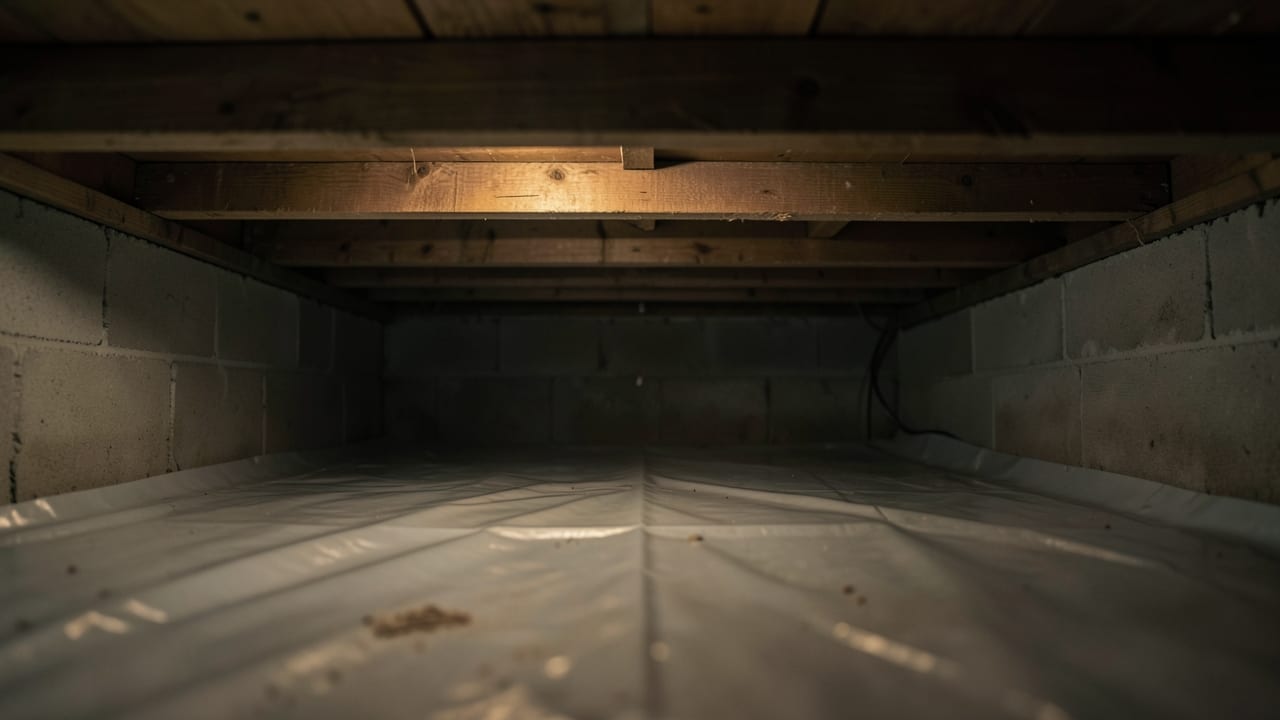
Crawl Space & Basement Mold Remediation in Rancho Santa Fe, CA
Crawl space and basement mold remediation in Rancho Santa Fe, CA addresses the two areas of a property most prone to trapped, unnoticed moisture.
Learn More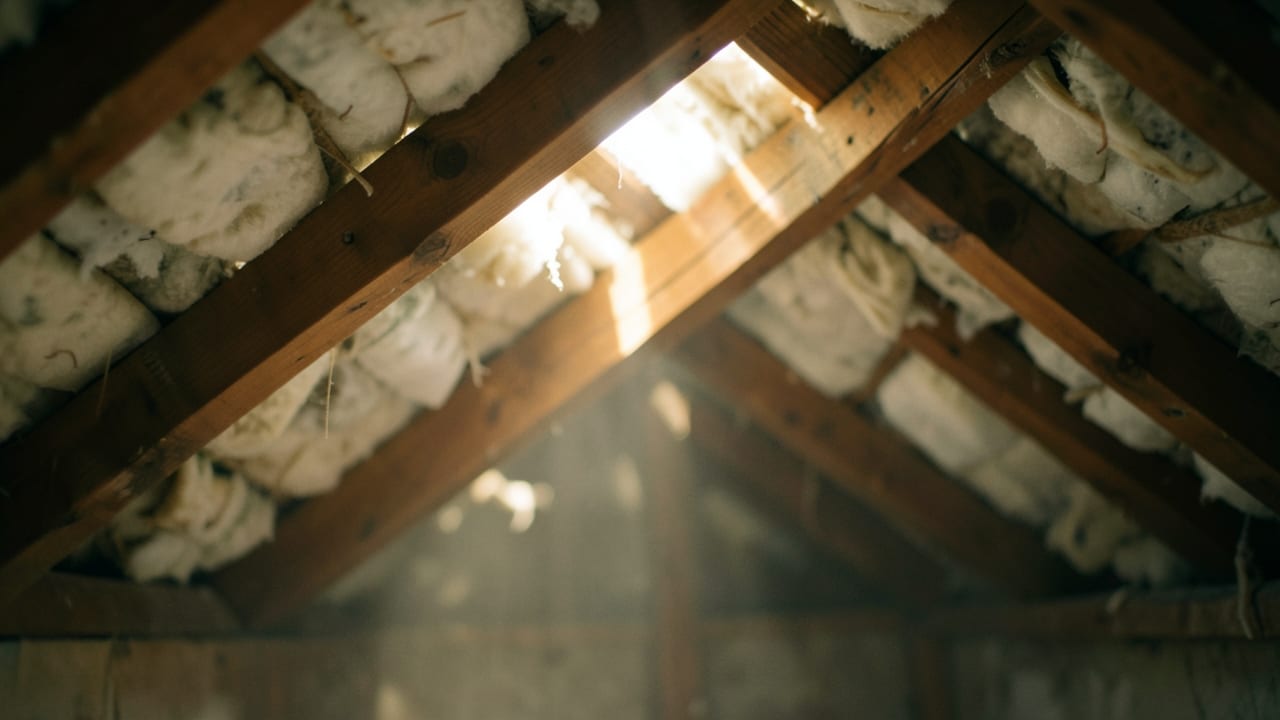
Attic Mold Remediation in Rancho Santa Fe, CA
Attic mold remediation in Rancho Santa Fe, CA addresses roof-deck growth typically caused by poor ventilation or a hidden roof leak.
Learn More
Commercial Mold Remediation in Rancho Santa Fe, CA
Commercial mold inspection and remediation in Rancho Santa Fe, CA for offices, retail space, and multi-unit properties, scheduled around business operations.
Learn More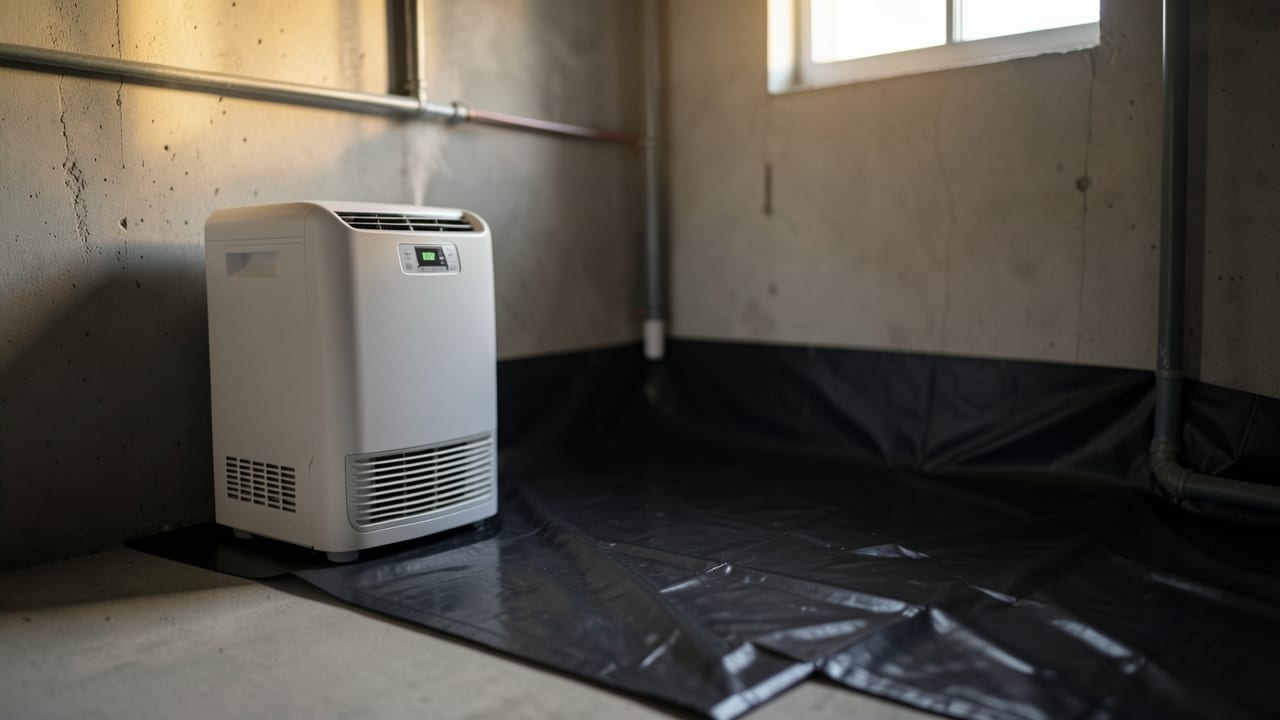
Mold Prevention & Moisture Control in Rancho Santa Fe, CA
Mold prevention and moisture control in Rancho Santa Fe, CA — addressing ventilation, humidity, and drainage before growth starts, not after.
Learn More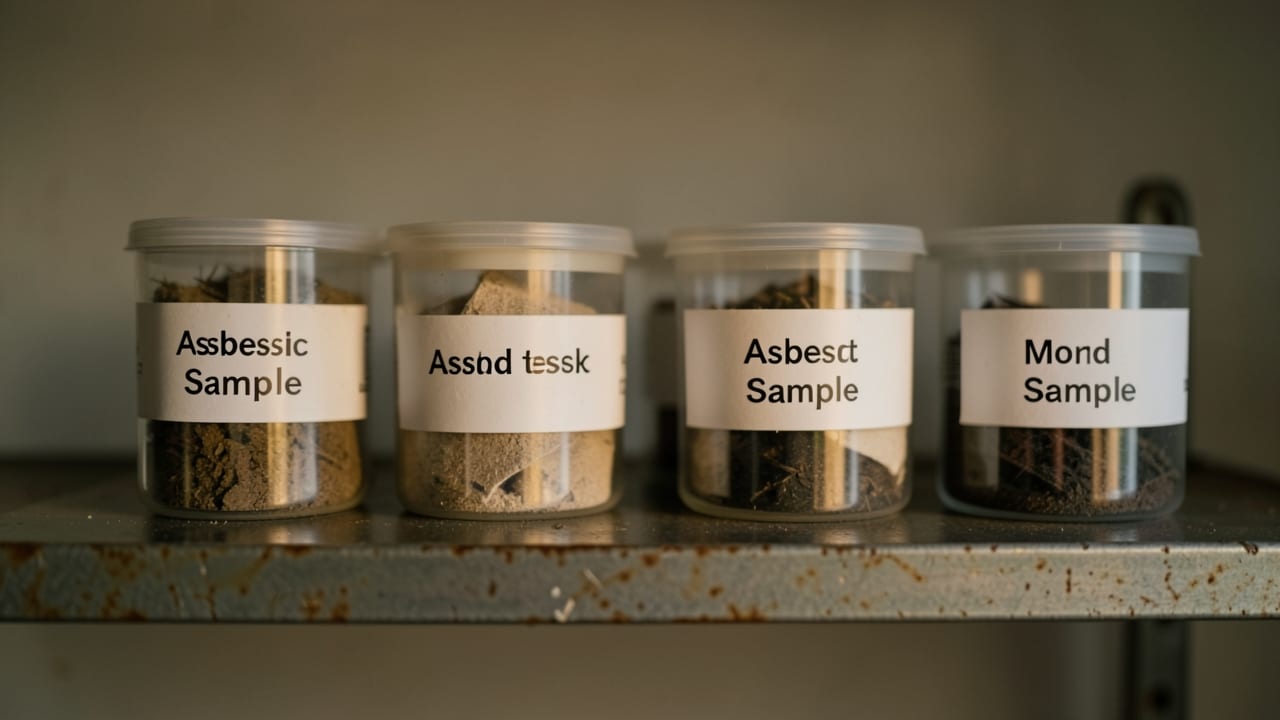
Mold & Asbestos Testing in Rancho Santa Fe, CA
Combined mold and asbestos testing in Rancho Santa Fe, CA — one inspection visit, lab-verified results for both.
Learn More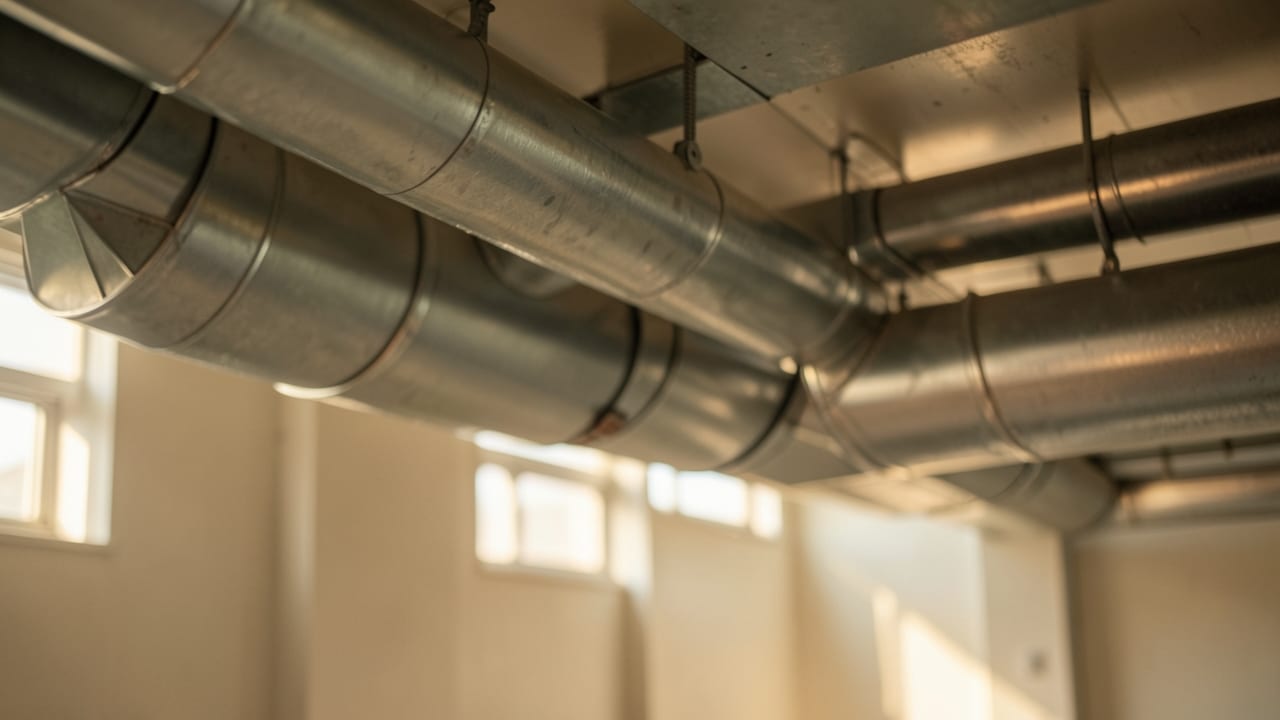
HVAC Mold Remediation in Rancho Santa Fe, CA
HVAC and ductwork mold remediation in Rancho Santa Fe, CA — mold growing inside the air handler or duct system, spreading through every vent.
Learn MoreCommon Questions About Mold Remediation in Rancho Santa Fe
Everything you need to know about mold remediation services in Rancho Santa Fe
How much does School Mold Remediation typically cost in Rancho Santa Fe, CA?
Does coastal humidity around Rancho Santa Fe, CA change how mold risk is assessed?
Can small mold problems be handled without hiring anyone?
What's the actual difference between mold removal and mold remediation?
Is a final clearance test part of a typical mold remediation job?
How does mold remediation actually prevent the problem from coming back?
Need Mold Remediation in Rancho Santa Fe?
Connect with local providers in Rancho Santa Fe for a detailed quote.
⏰ We answer your call • Serving all of Rancho Santa Fe and surrounding areas